
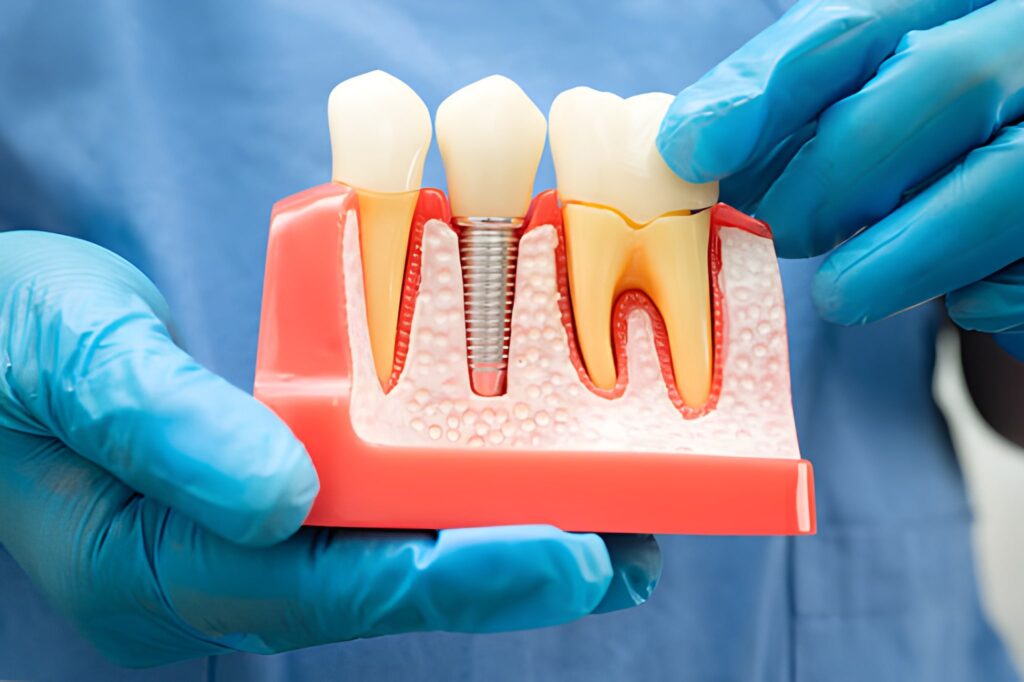
Dental implants offer a long-term solution for missing teeth, but the healing journey is essential to their success. Understanding what happens after surgery can help you feel confident and prepared. Here’s a detailed breakdown of the healing process and how to care for yourself each step of the way.
0–24 Hours After Surgery
The first day after dental implant St Helens surgery is all about protecting the site. You can expect mild to moderate bleeding, swelling, and discomfort. Gently bite on gauze pads and apply ice packs in short intervals to minimise swelling. Avoid rinsing your mouth, smoking, or drinking through a straw to prevent dislodging the clot.
1–3 Days After Surgery
You may still experience swelling and discomfort that can be managed with prescribed or over-the-counter pain relief. Continue eating soft foods like yoghurt, mashed potatoes, or smoothies. Avoid strenuous activity and brush gently, avoiding the surgical area.
3–7 Days After Surgery
By now, any pain and swelling should begin subsiding. You can resume gentle rinsing with a saltwater solution. Stick to a soft diet and maintain good oral hygiene without disturbing the implant site.
Dental Implant Maintenance Tips from St Helens Experts
1–2 Weeks After Surgery
Your provider may remove any stitches and inspect the healing process. Most common symptoms like swelling or soreness should significantly improve. While you might feel back to normal, deeper healing still continues under the surface.
Dental Implant Healing Stages
The Surgical Stage
This initial stage involves placing the implant into the jawbone. It’s a minor surgical procedure typically performed under local anaesthesia. Recovery begins immediately after surgery with careful aftercare to prevent infection and promote healing.
The Osseointegration Healing Stage
Osseointegration is where the magic happens. Over a period of 3 to 6 months, the implant fuses with the jawbone, creating a strong foundation for the final restoration. Although there’s no visible activity, it’s crucial to follow your dentist’s advice and keep the area clean.
Dental Implants vs. Dentures: Which Is Better in St Helens?
The Post-Implant Healing Stage
Once the implant is stable, the gum around it continues to heal and reshape naturally. Your provider might take impressions or scans to plan the final crown, bridge, or denture. Proper nutrition and hygiene are vital to avoid any complications during this time.
The Restoration Stage
After osseointegration is complete, the abutment is attached, followed by the final prosthetic tooth. This is the last step in the dental implant journey, and most patients can resume normal dental function immediately after placement.
Dental Implant Surgery: What Is It Like?
Dental implant surgery is typically an outpatient procedure, completed in one or more visits. It involves placing a titanium post into your jawbone. With advanced techniques, modern implant surgery is minimally invasive, with little discomfort and predictable outcomes.
How Much Do All-on-4 Dental Implants Cost in The UK?
How Painful Is Getting a Dental Implant?
Most patients report minimal pain during the procedure thanks to effective anaesthesia. Postoperative discomfort is usually mild and manageable with over-the-counter pain medications. Your dentist may prescribe stronger pain relief if necessary.
Dental Implant Recovery Timeline
Healing timelines vary slightly depending on individual health and complexity, but in general:
- Day 1-3: Swelling and slight bleeding are common.
- Week 1: Stitches may dissolve or be removed if non-dissolvable.
- Weeks 2–6: Initial healing completes, discomfort diminishes.
- Months 3–6: Osseointegration completes.
- Month 6 onwards: Final restoration is placed.
What Conditions Are Treated with Dental Implants?
Dental implants are used to replace one or several missing teeth. They’re suitable for patients with good oral health and jawbone strength. In some cases, additional procedures like bone grafts or sinus lifts may be required.
How Common Are Dental Implants?
Dental implants have become an increasingly popular tooth replacement solution due to their durability and natural appearance. Millions of successful implant procedures are performed every year worldwide.
Benefits of Dental Implants
Here’s why dental implants are widely recommended:
- Natural look and feel
- Prevention of jawbone loss
- No impact on adjacent teeth
- Long-lasting and durable performance
Risks or Complications of Dental Implants
Although rare, complications can include infection, nerve damage, or implant failure due to poor bone healing or gum disease. Following your provider’s instructions is key to reducing risk.
How Long Do Dental Implants Last?
With proper care, dental implants can last 20 years or more—sometimes even a lifetime. Regular check-ups, brushing, flossing, and avoiding smoking all contribute to long-term success.
When Should I Call My Dentist?
Contact your dentist if you experience excessive bleeding, sharp or increasing pain, signs of infection, or if the implant feels loose. Early intervention can prevent more serious issues.
What You Can and Cannot Do After Dental Implant Surgery
Avoid:
- Smoking or drinking alcohol for at least 72 hours
- Eating hard, chewy, or spicy foods
- Engaging in strenuous activity
Do:
- Rest and hydrate
- Follow oral hygiene instructions
- Attend all follow-up appointments
Understanding Bone Loss and Sinus Lifts
Bone loss can occur when teeth are missing for prolonged periods. Sinus lift procedures are often needed for upper jaw implants when the sinus cavity is too close. Both conditions can be evaluated and treated prior to implant placement.
Osteoporosis and Dental Implants
Osteoporosis may affect bone healing, but many patients can still qualify for implants with proper planning. Bone density tests help assess suitability and determine if bone grafting is needed before implant surgery.
Who Shouldn’t Get Dental Implants?
Some individuals may not be suitable candidates, including those with uncontrolled diabetes, severe gum disease, or poor bone health. Lifestyle factors such as smoking can also affect healing success.
At What Age Should You Not Consider Dental Implants?
Dental implants are not typically recommended for children or teenagers since their jawbone is still developing. For older adults, age is not a barrier so long as overall health permits the surgical procedure and healing process.
Care and Maintenance
Maintaining your dental implants is just as important as caring for natural teeth. Brush twice daily, floss carefully, and consider an antibacterial mouthwash. Regular dental check-ups will ensure your implant remains secure and healthy.
Frequently Asked Question
What can you not do after dental implant surgery?
Avoid smoking, alcohol consumption, strenuous physical activity, and eating hard foods during the early recovery phase.
How long after dental implants can I eat normally?
You may begin eating soft foods within a few days, but return to a fully normal diet typically takes a few weeks to a month depending on healing.
Can I drive after dental implant surgery?
If you received sedation or general anaesthetic, you should not drive for at least 24 hours. After local anaesthetic only, you may drive when you feel comfortable.
How long after dental implants can I smoke?
It’s best to avoid smoking altogether, but at minimum wait at least 72 hours after surgery. Smoking can significantly hinder healing and increase failure risk.
When should I call my dentist after implant surgery?
Call your dentist if you notice persistent pain, swelling, bleeding, or signs of infection like pus or a fever.